P-002 · Case study
SHIPPEDSoftware for 3D-Printed Organ Regeneration Research
Human-machine interface for biomedical 3D printers, used in organ-regeneration research. Computer-vision QC, 0.02 mm auto-calibration.
Interface
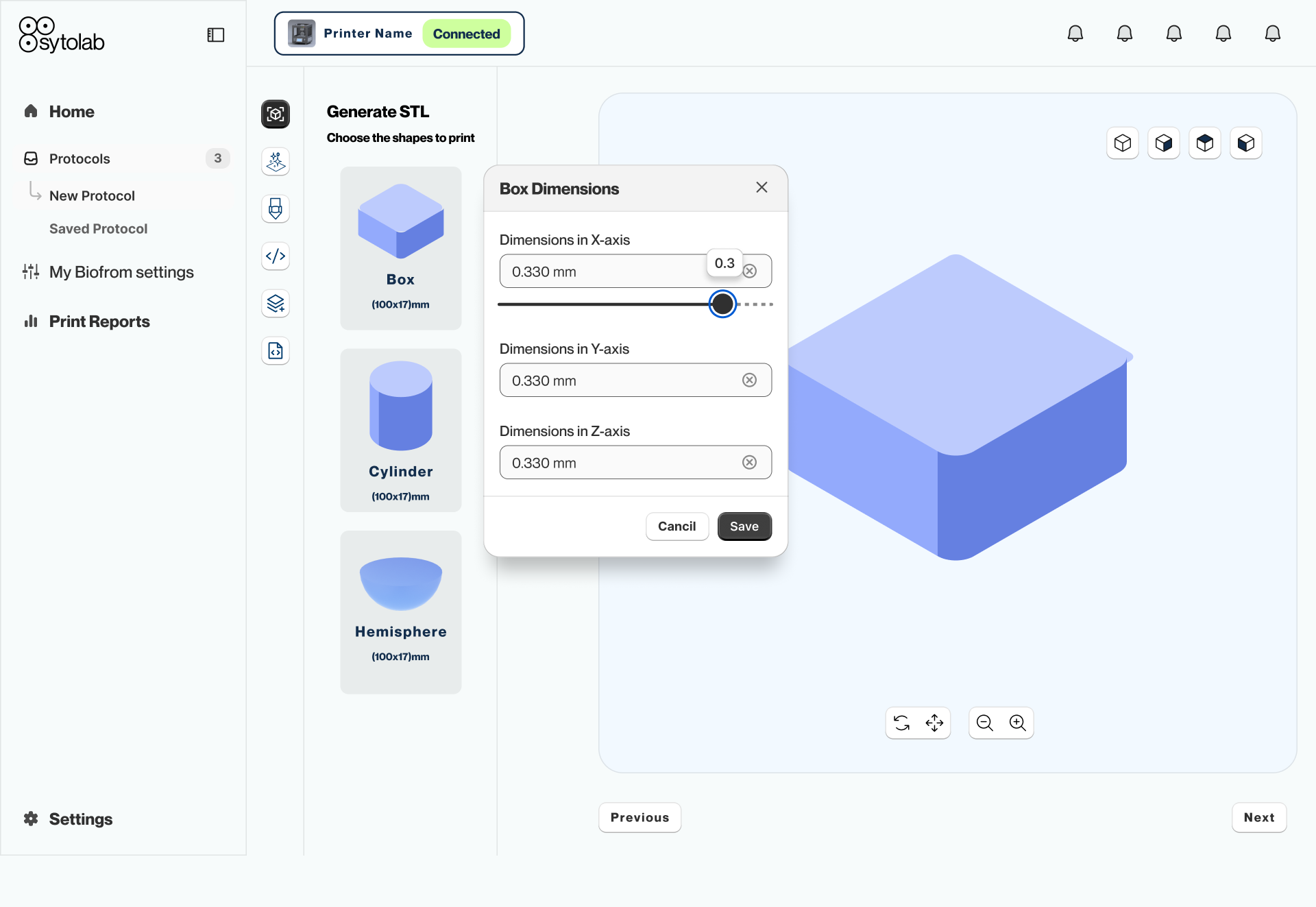
PLATE 01 · Syto Studio — Create Protocol
Case study
The problem
Biomedical researchers needed a control interface for custom 3D bioprinters: protocol authoring, live printer monitoring, automated calibration, real-time print quality checks. Existing tools were built for hobbyist FDM printers and didn't fit a research lab's workflow.
The approach
React frontend, Flask backend. Klipper API for STL handling, slicing, and temperature control. Moonraker for live printer state. OpenCV for vision-based quality control, catching dropped layers, nozzle drift, and calibration failures while the print was still running. I built the protocol-authoring layer specifically around how the researchers actually described their work, not around how printer firmware wanted to receive it.
What worked
Researchers used the system to 3D-print tissue constructs that went into living animals for organ regeneration studies. Setup time dropped around 30%. Print accuracy improved meaningfully once the vision pipeline was catching early failures.
What I'd do differently
Early versions of the vision pipeline ran too hot on latency. I should have started with a simpler frame-skip heuristic before reaching for full OpenCV processing per frame.
More detail
A control interface for custom biomedical 3D printers. Handled protocol authoring, live printer monitoring, automated calibration, and real-time vision-based quality control. The researchers who used this printed tissue constructs that went into living animals for organ regeneration studies.